
The perpetual battle against corrosion is a fundamental challenge in materials science and engineering. Corrosion, the gradual destruction of materials by chemical or electrochemical reaction with their environment, leads to catastrophic economic losses, estimated globally at trillions of dollars annually, alongside significant safety and environmental risks. To combat this, a suite of protective surface treatments has been developed, with zinc-based coatings standing as one of the most effective and widely deployed solutions. Zinc protects ferrous substrates through two primary mechanisms: as a durable barrier and, more importantly, as a sacrificial anode. Due to its position in the electrochemical series, zinc corrodes preferentially to steel, providing cathodic protection even at small scratches or cut edges. Among zinc coating technologies, two processes dominate industrial applications: electrogalvanizing (EG) and hot-dip galvanizing (HDG). While both culminate in a zinc-rich protective layer, their methodologies, coating characteristics, performance attributes, and suitability for applications are profoundly different. This in-depth analysis, exceeding 3000 words, will dissect these two processes from scientific principles to practical end-uses, providing a clear framework for selection.
I. Foundational Principles and Process Mechanisms
The core distinction lies in the fundamental physics and chemistry of the coating application.
A. Electrogalvanizing (Electrolytic Galvanizing)
Electrogalvanizing is an electroplating process. It is a cold, electrochemical operation where zinc metal is dissolved from an anode and redeposited onto a steel cathode (the workpiece) in an aqueous electrolyte solution.
- Process Steps:
- Pre-treatment: The steel must be meticulously cleaned. This involves alkaline degreasing to remove oils, acid pickling (typically hydrochloric or sulfuric acid) to dissolve mill scale and rust, and a water rinse. Any contamination will lead to poor adhesion and coating defects.
- Electroplating Bath: The cleaned steel is immersed in an electrolyte bath. Common chemistries include:
- Acid Sulfate: Using a simple zinc sulfate and sulfuric acid solution. It is efficient and yields a bright, ductile coating but has lower throwing power (ability to coat recessed areas).
- Chloride: Similar to sulfate but with chloride salts, offering higher conductivity and deposition rates.
- Alkaline Cyanide (largely obsolete): Provided excellent throwing power but is phased out due to extreme toxicity.
- Alkaline Non-Cyanide: The modern, environmentally safer alternative, using zinc ions complexed with hydroxides and organic additives. It offers superb throwing power and uniform coatings.
- The Electrochemical Cell: A direct current (DC) power supply is connected. The steel workpiece acts as the cathode (negative electrode). Zinc metal (or inert anodes with zinc salts in the bath) acts as the anode (positive electrode). When current flows, zinc oxidizes at the anode (Zn → Zn²⁺ + 2e⁻), releasing ions into the solution. At the cathode, zinc ions are reduced and deposited onto the steel surface (Zn²⁺ + 2e⁻ → Zn).
- Post-Treatment: The plated part is rinsed and dried. It often undergoes a passivation treatment, which involves a brief dip in a chromate or chromium-free conversion coating solution. This creates an ultra-thin amorphous layer that dramatically enhances corrosion resistance (forming “blue,” “yellow,” “iridescent,” or “black” chromate finishes) and provides a base for paint adhesion.
- Key Control Parameters: Current density (A/dm²), bath temperature, pH, zinc concentration, and organic additives (brighteners, levelers) critically control coating thickness, grain structure, and appearance.
B. Hot-Dip Galvanizing (Batch Galvanizing)
Hot-dip galvanizing is an immersion process governed by metallurgical reaction. The steel is submerged in a molten bath of zinc at approximately 450°C (840°F), resulting in a metallurgical bond.
- Process Steps:
- Pre-treatment: More intensive than EG. Involves:
- Degreasing: Caustic solution to remove organic contaminants.
- Pickling: Hydrochloric or sulfuric acid to remove scale and rust.
- Fluxing: This is the critical differentiator. The steel is dipped in an aqueous solution of zinc ammonium chloride. The flux cleans the steel on a molecular level, prevents oxidation before dipping, and reduces the surface tension of the molten zinc, promoting adhesion.
- Galvanizing Bath: The fluxed steel is immersed in a kettle of molten zinc (98%+ pure) at 449-455°C. The residence time varies from seconds for thin sheet to minutes for heavy fabrications.
- Metallurgical Reaction: Upon immersion, the iron in the steel reacts exothermically with the molten zinc to form a series of iron-zinc intermetallic alloy layers. The coating that forms is not pure zinc, but a bonded layer structure growing from the steel outward:
- Gamma (Γ) layer: Closest to the steel, ~75% Zn, 25% Fe.
- Delta (δ) layer: Dense layer, ~90% Zn, 10% Fe.
- Zeta (ζ) layer: Ductile layer, ~94% Zn, 6% Fe.
- Eta (η) layer: The outer layer, essentially pure, free zinc.
- Withdrawal and Cooling: The piece is withdrawn at a controlled rate, draining excess zinc. The classic spangled appearance is formed as the pure zinc eta layer solidifies. The coating air-cools.
- Pre-treatment: More intensive than EG. Involves:
II. Coating Characteristics: A Head-to-Head Comparison
| Characteristic | Electrogalvanizing (EG) | Hot-Dip Galvanizing (HDG) |
|---|---|---|
| Coating Composition | Essentially pure zinc (99%+). May include trace organic additives from the bath. | A metallurgically bonded, multi-layer structure of iron-zinc intermetallics (Γ, δ, ζ) topped with a layer of pure zinc (η). |
| Coating Thickness | Highly controllable, typically thin. Ranges from 2 to 25 µm (0.0001″ – 0.001″). Can be applied with extreme uniformity. | Thicker and less uniform. Typically 45 to 85 µm (0.0018″ – 0.0033″) on fabricated articles, and 10-25µm on continuous sheet. Varies with dip time, withdrawal speed, and steel chemistry (silicon content affects reaction). |
| Adhesion/Bond | Mechanical/electrochemical adhesion. The zinc crystals nucleate and grow on the steel surface. Good adhesion but can be susceptible to peeling if pre-treatment is poor. | Metallurgical diffusion bond. The iron-zinc alloy layers are integral with the steel substrate. Exceptional adhesion, resistant to mechanical damage, flaking, or peeling. |
| Appearance | Uniform, smooth, matte grey to bright shiny finish. Aesthetically pleasing, ideal for visible parts. Can be plated to a mirror finish. | Characteristic spangled pattern (crystallization pattern of the pure zinc layer). Can be bright when new but often has a rough texture with drips, runs, and minor lumps. Considered more “industrial.” |
| Coverage & Uniformity | Excellent throwing power (especially alkaline baths) provides uniform coating on complex geometries, recesses, and interior surfaces. | Relies on molten metal flow. Excellent external coverage. Limited throwing power can lead to thin or bare spots in deep recesses, blind holes, or areas where air is trapped. |
| Ductility/Formability | Excellent. The pure zinc coating is very ductile. EG sheet steel can undergo severe forming, bending, and stamping without significant coating cracking or flaking. | Poor to Moderate. The iron-zinc alloy layers are hard and brittle. Forming or bending HDG material can lead to micro-cracking of the coating, exposing the substrate. Post-fabrication galvanizing is preferred. |
| Weldability | Good. The thin, pure zinc layer vaporizes relatively cleanly. However, zinc fumes are toxic and require ventilation. | Challenging. The thick coating contaminates weld pools, causing porosity and splatter. The zinc must be ground off the weld area beforehand, adding labor. Special welding procedures are required. |
III. Performance and Durability
A. Corrosion Protection Mechanism:
Both rely on barrier and cathodic (sacrificial) protection. However, the difference in thickness and composition leads to different performance profiles.
- Electrogalvanizing: Provides a consistent, smooth barrier. Its sacrificial protection is effective but limited by the thin zinc layer. Once the zinc is consumed, protection ceases. Its longevity is directly proportional to coating thickness. In atmospheric exposure, a 5µm layer may protect for 2-5 years in a mild environment, while a 25µm layer can last 10-15 years. The chromate passivation post-treatment is crucial, forming a self-healing layer that dramatically slows the zinc’s corrosion rate, especially against “white rust” (zinc oxide and hydroxide).
- Hot-Dip Galvanizing: The thicker coating provides a much greater reserve of zinc, directly translating to longer service life—often measured in decades, not years. The alloy layers, while less sacrificial than pure zinc, are more noble and corrode at a slower rate. The system provides a robust, time-proven defense, especially in harsh environments (industrial, marine). The classic metric is that 85µm of HDG coating can protect steel for over 50 years in a rural atmosphere and 20-25 years in a severe industrial or temperate marine setting.
B. Abrasion and Mechanical Damage Resistance:
HDG excels here. The iron-zinc intermetallic layers are harder than the steel substrate (DPN ~250) and much harder than pure zinc (DPN ~70). This makes the HDG coating highly resistant to abrasion, impact, and handling damage during shipping and installation. The EG coating, being soft pure zinc, is easily scratched, dented, or worn through.
C. Temperature Resistance:
HDG coatings are stable up to ~200°C. Above 200°C, the zinc-iron diffusion continues, potentially converting the entire coating to brittle alloy layers. Long-term exposure above 400°C causes peeling. EG coatings have a similar upper limit but are less prone to intermetallic growth. Both are unsuitable for high-temperature service.
D. Paintability and Secondary Finishing:
- EG (with Chromate): The preferred substrate for painting and powder coating. The smooth, uniform surface and chromate conversion coating provide an ideal, conductive, and adherent base for organic finishes. This combination (electrogalvanized + paint) is the standard for automotive bodies and appliances, offering both corrosion protection and aesthetics (the “dual protection” system).
- HDG: Painting is challenging. The rough, non-uniform surface and the presence of oils from the bath or zinc salts require aggressive pre-treatment (e.g., abrasive blasting, special phosphating). Paint adhesion can be problematic. However, weathered HDG (after the surface has developed a stable zinc patina) accepts paint more readily.
IV. Economic, Environmental, and Application Considerations
A. Cost Structure:
- Capital Cost: EG requires a significant investment in rectifiers, filtration systems, tank lines, and wastewater treatment. HDG requires a large, fire-resistant kettle, overhead cranes, and furnace infrastructure.
- Operating Cost: EG has lower energy costs (operating at room temperature) but higher chemical costs for baths and extensive waste treatment. HDG has very high energy costs to maintain a molten zinc bath 24/7 but lower chemical costs. Labor can be intensive for both.
- Part-Specific Cost: For high-volume, small, thin parts (fasteners, stampings), EG is generally more economical. For large, heavy structural fabrications (I-beams, guardrails, transmission towers), HDG is often more cost-effective on a per-part, lifetime basis.
B. Environmental Impact:
Both processes face scrutiny.
- EG: The main issues are acid and alkali usage in pre-treatment, heavy metal (zinc) discharge in rinse water, and the historical use of toxic cyanides and hexavalent chromium in passivation. Modern facilities use closed-loop systems, non-cyanide baths, and trivalent chromium or chromium-free passivates.
- HDG: Primary concerns are energy consumption, emissions of zinc oxide fume (a nuisance particulate), and the production of pickle liquor waste acid. Flux fumes (if ammonium chloride based) can also be an issue. Modern kettles have efficient fume capture and scrubbing systems.
C. Dominant Applications:
Electrogalvanizing is the process of choice for:
- Automotive Industry: Body panels, chassis components, fasteners, brackets (almost always with a subsequent paint layer).
- Appliances: Housings for washers, dryers, refrigerators, and microwaves.
- Consumer Electronics: Computer chassis, internal brackets.
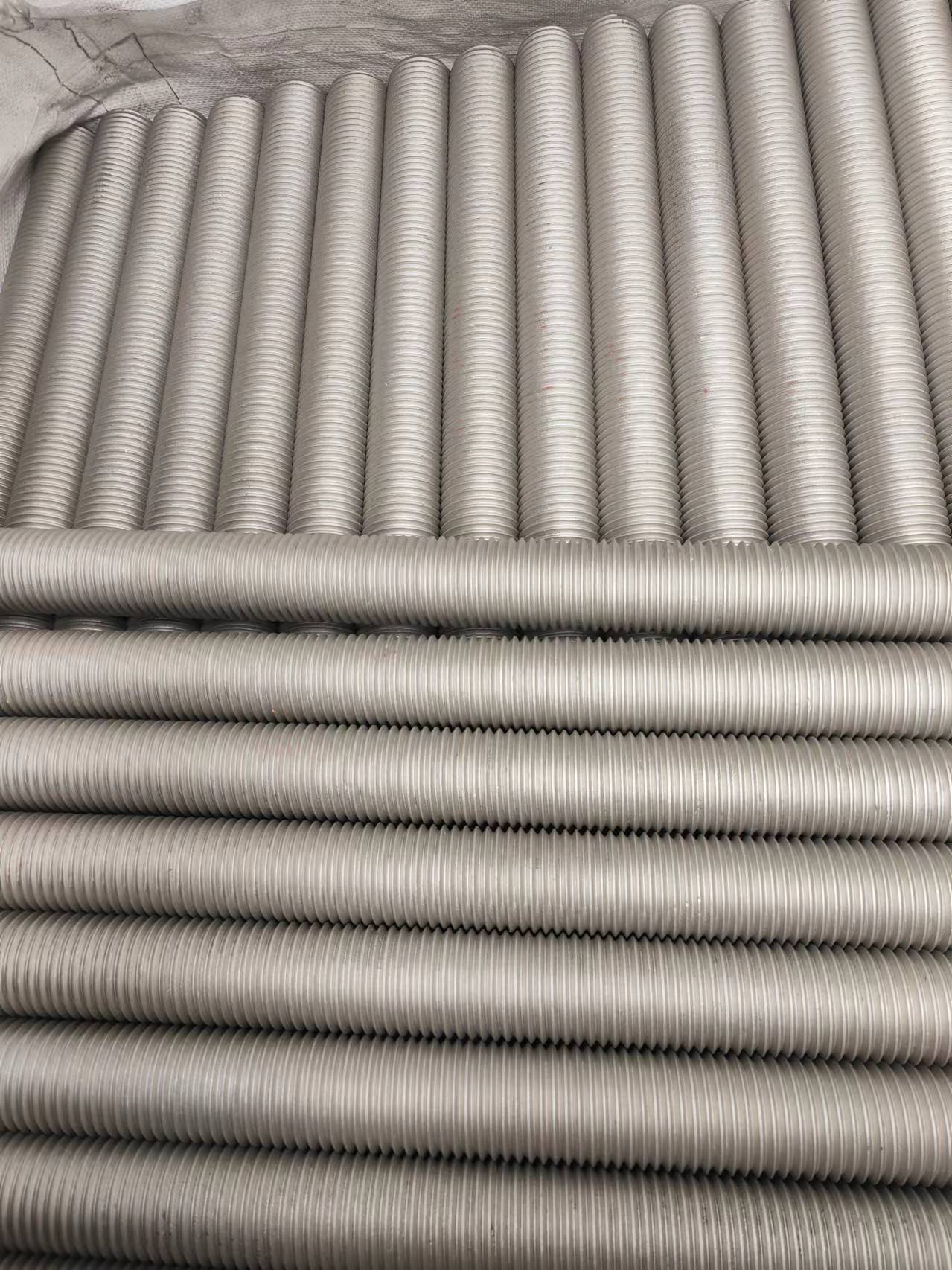
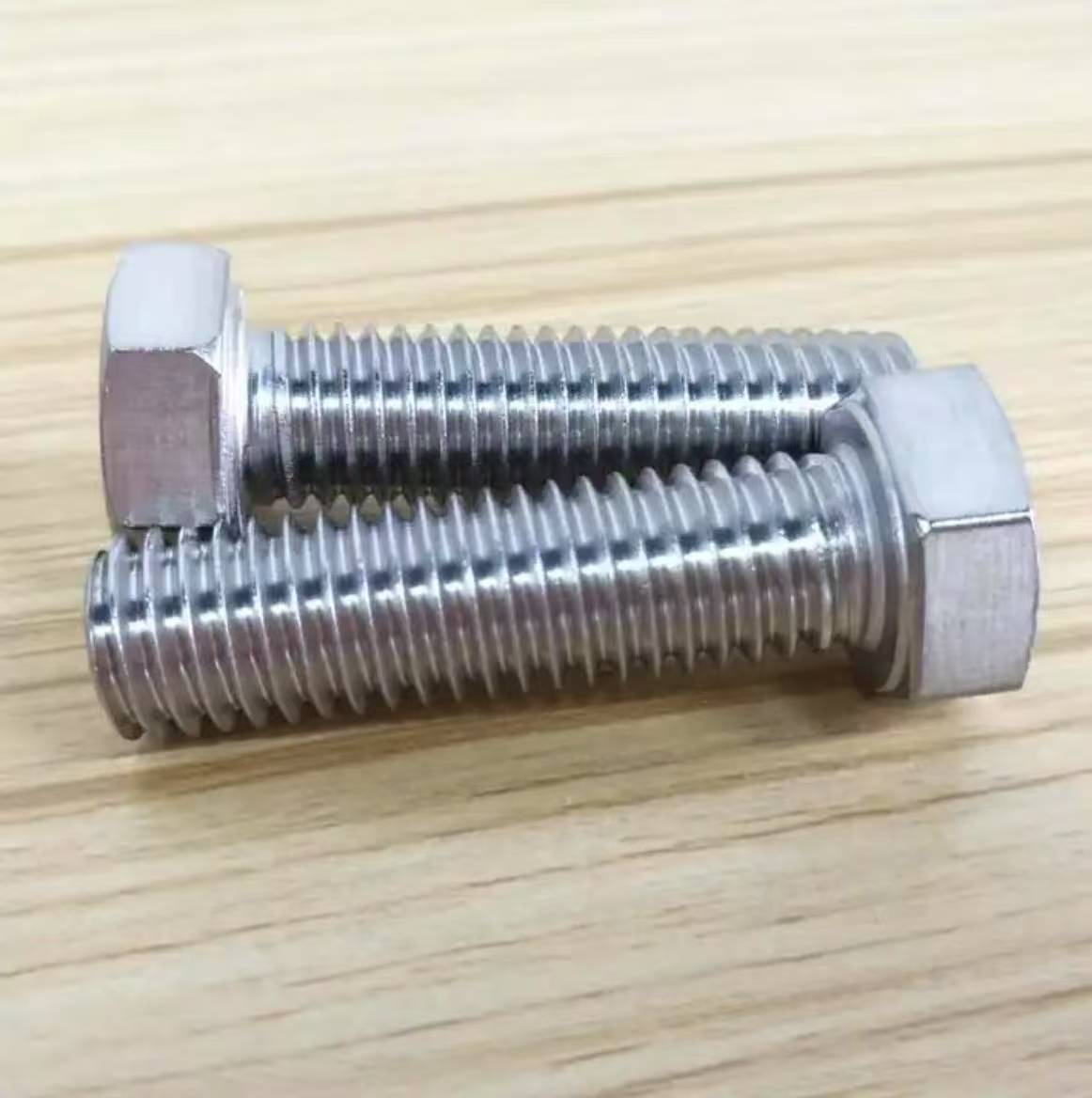
- Hardware and Fasteners: Screws, bolts, nails, hinges requiring a smooth finish and good formability.
- Wire and Sheet Products: Where a thin, uniform, ductile coating is essential for further processing.
Hot-Dip Galvanizing is the process of choice for:
- Infrastructure and Construction: Structural steel beams, rebars, bridge girders, safety barriers, light poles, transmission towers.
- Outdoor and Utility: Fencing, grating, handrails, street furniture, agricultural equipment.
- Industrial: Ductwork, piping, chemical plant structures, power plant walkways.
- Telecommunications: Cell phone tower components.
- Any application where long-term, maintenance-free corrosion protection in an aggressive environment is the paramount concern, and aesthetics are secondary.
V. Hybrid and Advanced Processes
The line between EG and HDG is sometimes blurred by advanced or hybrid technologies:
- Galvannealing: An HDG variant where the freshly galvanized sheet is immediately heat-treated, diffusing all the free zinc into the alloy layers. The result is a matte grey, zinc-iron alloy coating with superior weldability and paintability, widely used in the automotive industry.
- Electrogalvanizing with Alloy Deposition: Advanced EG baths can co-deposit zinc with other metals like nickel (Zn-Ni), iron (Zn-Fe), or cobalt (Zn-Co), yielding coatings with enhanced corrosion resistance, hardness, and temperature stability for specialized applications.
VI. Selection Guidelines: A Practical Summary
Choosing between EG and HDG is a systematic decision based on application requirements:
- Primary Need: Is it cosmetic appearance, formability, and paintability (e.g., a car door)? Choose Electrogalvanizing. Is it maximum longevity, abrasion resistance, and protection for a static structure (e.g., a highway bridge)? Choose Hot-Dip Galvanizing.
- Part Geometry: Complex parts with deep recesses or internal surfaces that must be coated? EG has superior throwing power. Large, open fabrications? HDG is suitable.
- Post-Coating Operations: Will the part be extensively formed, stamped, or bent? EG is necessary. Will it be welded? EG is easier, or consider galvannealing.
- Lifecycle Cost: For a product with a short service life or one where aesthetics drive replacement (e.g., consumer electronics), EG is appropriate. For infrastructure designed to last 50+ years with zero maintenance, the higher initial cost of HDG is justified.
Conclusion
Electrogalvanizing and hot-dip galvanizing are not interchangeable technologies but rather complementary pillars of corrosion protection. Electrogalvanizing is a precise, electrochemically driven process yielding thin, uniform, ductile, and aesthetically pleasing pure zinc coatings. It is the linchpin of high-volume manufacturing where further finishing and forming are required. Hot-dip galvanizing is a robust, thermometallurgical process that creates a thick, durable, intermetallic-bonded armor, sacrificing finesse for unparalleled, long-term defensive capability in the harshest environments.
The choice is seldom about which process is “better” in an absolute sense, but about which is optimal for a specific set of technical requirements, environmental conditions, manufacturing constraints, and economic considerations. Understanding the profound differences in their science, performance, and economics—from the molecular bonding at the coating-substrate interface to the decades-long performance in the field—empowers engineers, designers, and specifiers to make informed decisions that ensure the integrity, safety, and longevity of the steel products that form the backbone of the modern world.
Post time: Dec-10-2025